
The future of cars in an AI-driven world
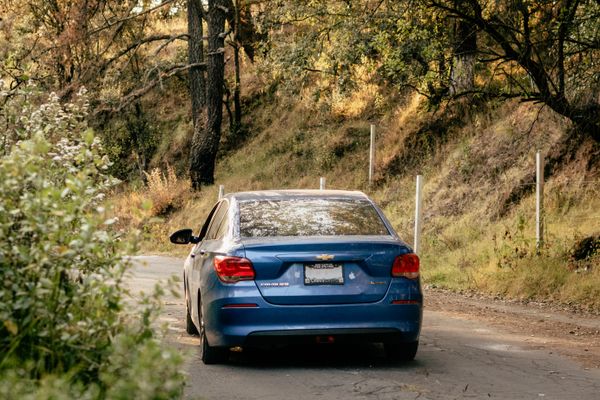
In a world where artificial intelligence (AI) is becoming more and more a staple of our daily lives, it is natural to wonder about the future of cars and how they will be affected. After all, driving is one of the most common AI-assisted tasks we perform on a regular basis. Eliezer Yudkowsky postulated that by far the greatest danger of artificial intelligence is that people conclude too soon that they understand it. In this article, we'll explore how AI is changing the automotive industry and what the future of cars might look like in an AI-driven world.
The history of AI and cars is long and complicated. Cars have been around for over a century and AI has been around for almost as long. The two have been linked from the start. In the beginning, automobiles were just simple machines that acted on the orders of their drivers. But as AI began to develop, the potential for cars became more autonomous. When AI research began, scientists dreamed of creating intelligent machines that could think and act on their own.
This dream eventually led to the development of driverless cars. Self-driving cars are the pinnacle of AI-powered innovation in the automotive industry in September 2022; there will no doubt be many more amazing realities to come. These vehicles rely on a variety of sensors and algorithms to navigate their environment without the need for a human driver. Although there are still challenges to overcome before self-driving cars can be widely adopted, it is clear that they represent the future of automotive transportation.
Moreover, we are at the dawn of a new era in the history of the automobile. The potential of artificial intelligence (AI) to transform the automotive industry is immense and its impact is already being felt. In the coming years, AI will become increasingly involved in improving vehicle safety, performance and efficiency by addressing health, hazard and environmental issues. It will also allow cars to become more connected and autonomous. AI is already being used in various ways in the automotive industry. For example, many cars now come with AI-powered infotainment systems that can learn your preferences and provide personalized recommendations. Some manufacturers are also using AI to develop and improve autonomous vehicles.
This technology is still in its infancy, but it has the potential to revolutionize transportation. The use of AI in cars will increase in the coming years. As technology improves, we will see even more impressive applications of AI in the automotive sector. We can only imagine what the future holds for AI and cars, but one thing is certain: the future is looking very bright.
Moreover, the future of automotive is looking very exciting, with many new and innovative technologies on the horizon. One of the most intriguing and potentially game-changing technologies is artificial intelligence (AI)-based learning, reasoning, and self-correction capabilities.
There is a lot of potential for AI in the automotive industry, from improving safety to increasing efficiency and reducing emissions. It is estimated that AI could help reduce car accidents by up to 90%. Not only that, but AI can also help make driving more enjoyable by taking over some of the more tedious tasks, like getting stuck in traffic. It can also help you find parking spots and even charge your car when you're not there. The possibilities are endless, and the future of automotive in an AI-driven world looks bright.
Quite impressive to imagine that our cars will understand us. When you get in your car, you'll know where you want to go by syncing with your personal calendars. It will also learn your route preferences and suggest alternative routes based on real-time traffic conditions, just like a senior personal assistant. Additionally, your car will be able to monitor your health and well-being and even alert you or subscribing healthcare providers if it detects anything wrong; or even crazier, the car performs cardiopulmonary resuscitation (CPR) while calling for help with real-time vital signs and vehicle location information.
It's the future of cars in an AI-driven world. With the help of artificial intelligence, cars will become more than just vehicles, they will become loyal companions who always have your best interests in mind.
Additionally, the automotive industry is at the inflection point of significant change as artificial intelligence (AI) plays a greater role in vehicle design and manufacturing. This change could have a profound impact on the way we use and think about cars, as well as the industries that support them. There are already several ways to use AI in the automotive industry.
For example, many manufacturers are using AI to help design better and safer vehicles. AI is also being used to develop new manufacturing processes and automate tasks in factories. In the future, AI could be used to create autonomous cars, as well as cars that can communicate with each other and with other road users – essential cars. The potential for AI in the automotive industry is huge and we are likely to see even more applications for this technology with continued improvements. This move towards AI-powered cars is sure to have a significant impact on the way we use and think about cars.
Yes, it seems that AI and robotic cars are the future! But what is that future like? Here are some predictions: 1. Cars will be able to drive themselves. 2. Cars will be able to communicate with each other. 3. The need for car insurance will decrease. 4. The number of car owners will decrease. 5. Carpooling will increase. 6. There will be something like automotive friendship with OEM benefits sharing. 7. There will also be car and people groups where cars can contribute to discussions with humans based on their road use and learning experiences in different cities and countries. Just imagine a machine with the initiative and intelligence of humans and opportunities for continuous improvement.
The future of automobiles will likely be heavily influenced by artificial intelligence (AI). AI has the potential to transform the automotive industry in many ways, from improving vehicle safety to driving more efficiently. One area where AI could have a significant impact is in autonomous vehicles. Although there are still many challenges to overcome before self-driving cars become a reality, it is hoped that AI will eventually be able to handle all aspects of driving, including navigation, traffic management, and even parking. . Another potential application of AI in the automotive sector is improving vehicle safety. Using data from sensors and cameras, artificial intelligence systems could be used to identify potential hazards on the road and warn drivers accordingly.
AI could also help drivers avoid accidents by automatically taking necessary evasive measures. Finally, AI could also make driving and advertising more efficient. For example, using real-time data on traffic conditions and knowledge of humans in other cars, AI-powered navigation systems could direct drivers around congestion hotspots and notify motorists or owners. of potential customers within a 100m radius, for example.
Alternatively, AI could be used to develop car-sharing systems that connect drivers with others on similar trips, reducing the need to own a car. The possibilities of AI in the automotive sector are endless. AI will play an amazing role in heralding new possibilities and mixed benefits to improve the living standard of humans.
In conclusion, as we enter a world increasingly driven by AI, it is clear that the future of automobiles will be deeply tied to artificial intelligence. From autonomous driving features to in-car infotainment systems, AI will play a vital role in making our driving experience safer, more efficient, more rewarding and more enjoyable. As technology continues to evolve, we can only imagine all the fantastic ways AI will transform the automotive industry in the coming years.



Social Plugin