
Tips for maintenance of welding and
cutting equipment
Maintaining your welding and cutting equipment is essential for maximum performance and long-term
durability. Although welding and cutting equipment is built to last, proper maintenance
can help ensure that your equipment is always running at its best.
Maintaining your esab welding and cutting products ensures that your work is of the
highest quality. It also ensures that your welding and cutting projects are carried out safely
and efficiently. In addition, regular maintenance and repairs to your esab equipment can
extend its useful life, reduce downtime, and improve the safety and performance of your
equipment.
Here are some tips on how to maintain the longevity of your welding products.
Regularly inspect your equipment
It is important to regularly inspect your welding and cutting equipment to ensure that it is
in good working order. There are many factors to consider when checking your equipment
order. For example, check for loose connections, broken or worn parts, or other signs of
wear.
The inspection should also cover welding and cutting machines and any other parts or tools
associated with the process. Again, it is important to check for signs of wear, damage, or
corrosion. Finally, the welder must inspect the welding and cutting materials for signs of
contamination. This includes checking for any debris or foreign matter that may have
gotten stuck in the welding or cutting torch.
Guard your torch
When it comes to the maintenance of welding equipment and accessories, the torch must
be on top. regularly to make sure everything is working properly and that no loose parts
could cause injury or unsafe working conditions. Also, check the hoses and other components
for signs of wear or damage. You must also make sure of the correct placement of the
welding tip and the correct holding of the torch.
It is also important to keep your welding equipment clean at all times. This means that you
must periodically clean any dirt and debris that may have accumulated on the welding
equipment. Wear protective gear, such as gloves and a welding helmet, to protect yourself
from welding sparks or other hazards.
Clean your work area
Be sure to keep your work space clean and tidy. A cluttered work area can be dangerous
and interfere with your ability to work efficiently. When cleaning your welding equipment,
it's important to use the right products. For example, if you're welding on a metal surface,
you'll want to use a special metal cleaner or degreaser to remove dirt, grease, and corrosion.
For other materials, use a mild soap and water solution. Once the equipment is clean, use
a soft cloth to clean the parts before storing them in a clean and dry place. To prevent rust,
you should also oil the parts of your welding equipment to protect them from moisture and
humidity. Use a light lubricant or oil to grease your welding equipment after each use.
Follow the manufacturer's instructions
Before using any of esab's welding and cutting products, follow the manufacturer's instructions
to ensure proper and safe use, including proper use of tools and materials and training your
employees on how to use them correctly. It will also help reduce the risk of misuse accidents
and injuries.
By following the manufacturer's instructions, you can also ensure that you are using the
correct parts and components for your projects. This is important to ensure that your parts
and components are working properly and efficiently. If parts and components do not
work properly, serious damage or even injury could result.
Wear the right safety gear
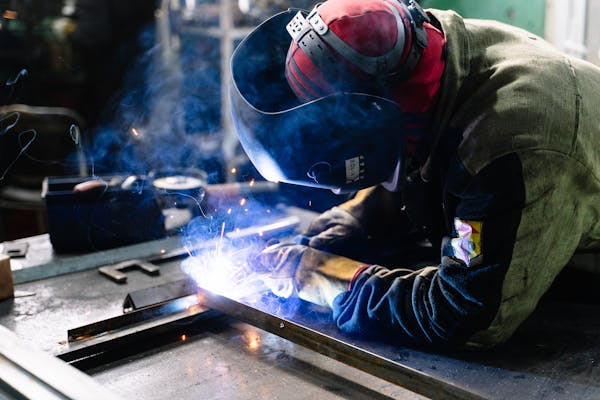
When working with welding equipment, it is important to wear the proper safety equipment.
This includes the use of protective equipment, such as heavy-duty gloves and face shields.
Welding helmets are an essential piece of safety equipment for welders. The helmet protects
the face, neck and eyes from sparks, splashes and ultraviolet rays. You should also have a
face shield made of a material that can withstand sparks and spatter.
Gloves are also an important piece of welding safety equipment. Gloves are made of heat
and flame resistant material. It is also important that the gloves fit well and are flexible so
that welders can do their job efficiently. In addition, protective clothing and footwear are
other essential safety equipment for welders.
Conclusion
Welding and cutting is an activity followed in many parts of the world. The welder must
maintain welding equipment and accessories to ensure safe and efficient operation. Regular
maintenance and inspections help identify and fix potential problems before they become
serious. By following the tips outlined in this article, you can ensure that your welding and
cutting equipment and accessories are properly maintained and working properly. Regular
maintenance and inspections can extend the life of your welding and cutting accessories
and equipment, saving you money in the long run.



Social Plugin