
Why self-care is key to staying calm under stress
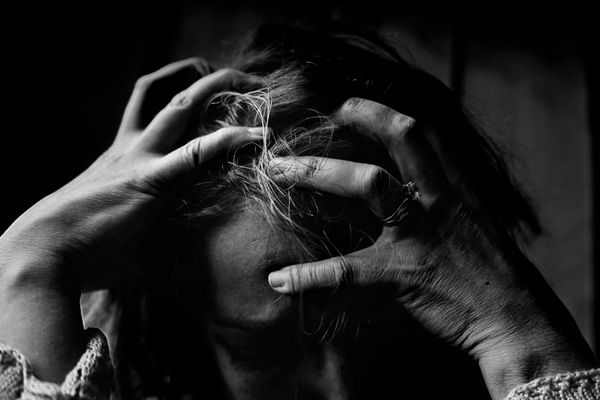
The body's natural reaction to difficult or dangerous circumstances is stress. It is the way in which the body reacts to external or internal stressors that cause changes in our physical, emotional and mental state. While stress can sometimes be helpful, such as with the fight or flight response, it can also have a negative impact on our mental health.
What is stress?
Stress can be defined as the body's response to any demand or challenge that forces it to adapt or change. Stressors can be physical, like hard exercise, or emotional, like a difficult conversation. When the body senses a stressor, it releases hormones like cortisol and adrenaline, which cause physical changes like a fast heartbeat, rapid breathing, and muscle tension. These changes help prepare the body to deal with the stressor, but if they persist for a long time, they can have negative health effects.
Impact of stress on mental health:
The impact of stress on mental health has been a growing concern in recent years, particularly during the COVID-19 pandemic. Research from 2020 to 2023 shed light on the significant impact of stress on mental health, including an increased risk of developing mental health disorders and the worsening of existing mental health conditions.
The COVID-19 pandemic has been a significant stressor for people around the world. A study conducted by the World Health Organization (WHO) in 2020 found that the pandemic has caused significant stress and anxiety in people around the world, with more than 70% of respondents reporting a negative impact on their mental health. The pandemic has brought with it a number of stressors, including fear of infection, financial insecurity, social isolation, and disruption to daily routines.
The impact of the pandemic on mental health is of particular concern to healthcare workers. A study published in The Lancet Psychiatry in 2020 found that healthcare workers experienced significant psychological distress during the pandemic, including anxiety, depression, and post-traumatic stress symptoms. The study also found that healthcare workers who had direct contact with COVID-19 patients were at higher risk of experiencing psychological distress.
The impact of stress on mental health has not been limited to the pandemic. A study published in The Lancet in 2021 found that exposure to stressful life events, such as divorce or job loss, was associated with an increased risk of developing depression and anxiety. The study also found that people who experienced multiple stressful life events were at higher risk of developing mental health disorders.
Research has also highlighted the impact of chronic stress on mental health. A study published in JAMA Psychiatry in 2021 found that chronic stress was associated with an increased risk of developing mood and anxiety disorders. The study found that people with chronic stress had higher levels of inflammation in their bodies, which has been linked to the development of mental health disorders.
The impact of stress on mental health is a worldwide concern, and researchers have highlighted the need for effective stress management strategies. A study published in the Journal of Occupational Health Psychology in 2023 found that stress management programs were effective in reducing stress levels and improving mental health outcomes.
Ways to stay calm in stressful situations
Stressful situations are an unavoidable part of life, and it is essential to have coping mechanisms to help you stay calm and control your stress levels. Here are some strategies for staying calm under pressure:
Practice Deep Breathing: Deep breathing is a simple but effective technique to help you relax and reduce stress. Take a deep breath in through your nose and out through your mouth, concentrating on filling your lungs with air and exhaling slowly.
Use visualization techniques: Visualization techniques involve creating a mental image of a calm and peaceful place or situation. It can help you reduce stress and anxiety by promoting feelings of relaxation and serenity.
Listen to music: Music has a powerful effect on our emotions and can be a useful stress-reducing tool. Listening to relaxing music can help you feel more relaxed and calm in stressful situations.
Seek support: Seek support from friends, family or the best counselor online, the "best psychologist near me" mental health professional can help you manage stress and cope with difficult situations. It can help to talk to someone like an online counselor who can offer advice and support when you feel overwhelmed.
In conclusion,
Stress management is an essential part of maintaining good mental health, and there are many techniques that can help you stay calm in stressful situations. By practicing deep breathing, mindfulness, exercise, positive self-talk, visualization techniques, listening to music, and seeking support, you can reduce stress levels and improve your overall well-being. . with Asesores Online, if you are looking for online advice. regardless of what you are looking for.



Social Plugin