
Japan's next bullet train lines face multi-billion dollar cost increases
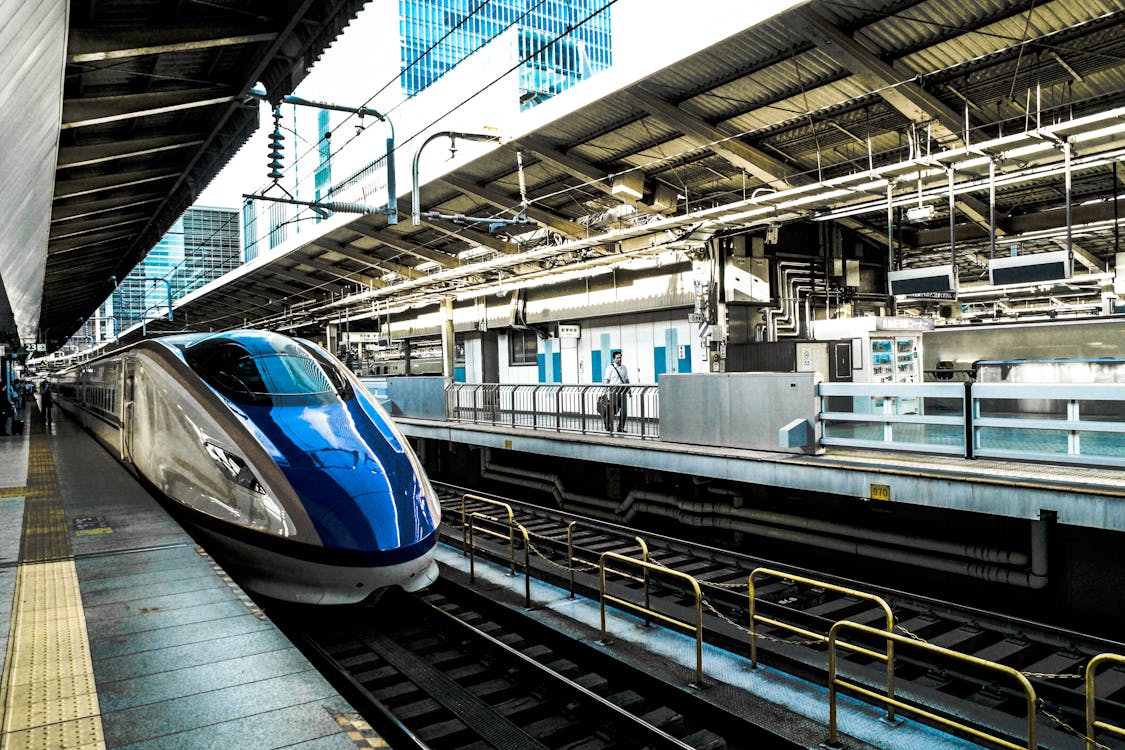
Projects go over budget in labor and materials as delays pile up
TOKYO — Next steps in Japan's bullet train network expansion are facing potentially huge cost overruns as material and labor prices soar, raising questions on the financial viability of the country's railway development model.
An extension of the Hokkaido Shinkansen in northern Japan to the prefectural capital of Sapporo is expected to exceed the original budget estimate by around 40%, or 645 billion yen ($4.88 billion), bringing the total at 2.3 trillion yen, according to the Ministry of Transportation. said early. this month.
Most of Japan's largest cities (Sapporo is the notable exception) are already connected by shikansen bullet train lines. The busiest and most profitable segment is the Central Japan Railway's Tokaido Shinkansen between Tokyo and Osaka.
Ongoing projects seek to fill the gaps in the network.
In Hokkaido, problems with tunneling through bedrock in some areas will take up to four years to build. The delay could hamper a local redevelopment effort that had counted on the line opening at the end of fiscal 2030 on schedule.
Rising labor and material prices alone could add 205 billion yen to the cost of the construction project. The total could increase further if costs rise faster than the 2% rate included in the estimate.
Meanwhile, work to expand the Hokuriku Shinkansen in Osaka may not start next fiscal year as planned. The line currently connects Tokyo to the city of Kanazawa on the coast of the Sea of Japan.
The Department of Transport said last week that the start would be postponed, citing delays in the environmental impact assessment needed for Japan to authorize the work.
The section from Kanazawa to Tsuruga, scheduled to open in spring 2024, is 260 billion yen over budget partly due to additional work. The Tsuruga-Osaka section is expected to cost around 2.1 trillion yen, another figure that could increase if the cost of materials continues to rise.
Funding for the state-backed body that oversees these projects comes in part from track usage fees paid by JR Group rail operators, with the rest split 2-1 between central government and municipalities.
Higher construction costs may require additional funding from tax revenues and rate increases.
The coronavirus pandemic has forced a rethink of the future of public transportation as ridership plummets. The Hokkaido Shinkansen, which opened in 2016, suffered an operating loss of 14.8 billion yen in fiscal 2021 on its final leg, which stops just before Sapporo. The new Nishi-Kyushu line in southwest Japan operated at an average capacity of just 33% in its first month.
Costs are not the only problem. Local governments along shinkansen routes are not unanimous in supporting the extensions.
The Nishi-Kyushu Shinkansen, which opened in September and connects Nagasaki to the hot spring town of Takeo Onsen, is supposed to serve Shin-Tosu station on the established Kyushu line. But it's unclear when work will begin amid disagreements over the scope of the project.
For Further Information and Question Contact Here.



Social Plugin